
A Step-by-Step Guide to Setting Up Payment Gateways in Florida


Setting up payment gateways is a crucial step for any business operating in Florida. It enables businesses to accept online payments securely and efficiently. This guide will walk you through the process of setting up payment gateways, ensuring a seamless experience for both you and your customers.
Understanding Payment Gateways
Payment gateways act as intermediaries between your business and financial institutions. They facilitate the transfer of information by encrypting customer payment details, ensuring secure transactions. Choosing the right payment gateway is essential for smooth operations.
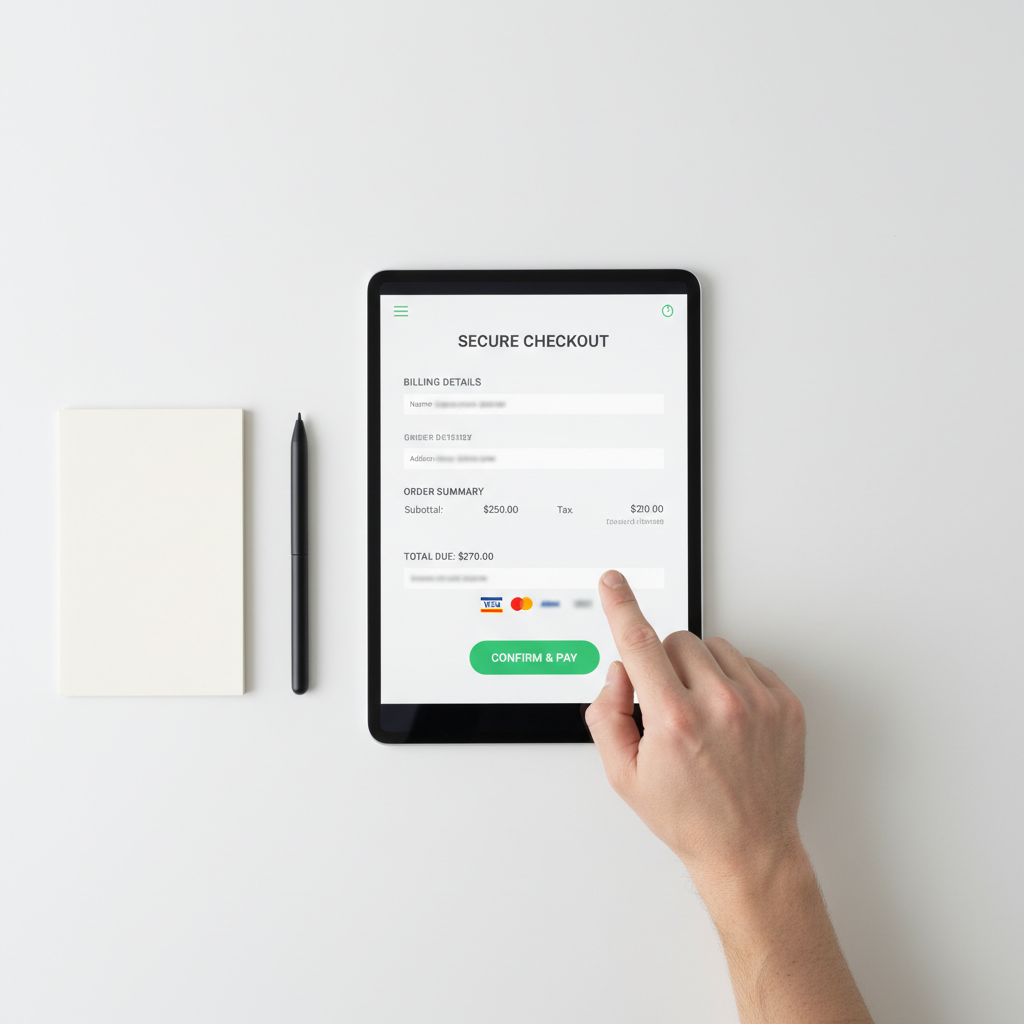
Research and Choose a Payment Gateway Provider
There are numerous payment gateway providers available, each offering different features and pricing. Consider factors such as transaction fees, security measures, and compatibility with your existing systems. Popular providers include PayPal, Stripe, and Square.
- PayPal: Known for its widespread acceptance and ease of use.
- Stripe: Offers extensive customization and integration options.
- Square: Ideal for small businesses with its simple setup.
Register Your Business
Before setting up a payment gateway, ensure that your business is legally registered in Florida. You’ll need to provide documentation such as your business license, tax ID, and bank account details. This step is crucial for compliance with state regulations.
Integrating the Payment Gateway
Once you’ve chosen a payment provider, the next step is integration. This involves connecting the gateway to your website or online store. Most providers offer plugins or APIs that simplify this process, allowing for seamless setup.
Test Transactions
Before going live, conduct test transactions to ensure everything functions correctly. This helps identify any potential issues and verify that the payment process is smooth for customers. Most gateways provide a sandbox environment for testing purposes.
Security and Compliance
Ensuring the security of your payment gateway is paramount. Implement SSL certificates and adhere to PCI-DSS compliance standards. These measures protect sensitive customer information and build trust with your clientele.

Monitor and Optimize
After launching your payment gateway, continuously monitor its performance. Analyze transaction data to identify trends and optimize the payment process. Regular updates and maintenance are essential to keep the system running efficiently.
In conclusion, setting up a payment gateway in Florida involves several steps, from choosing a provider to integrating and securing the system. By following this guide, businesses can ensure a smooth and secure payment experience for their customers, paving the way for growth and success.