
The Ultimate Guide to Secure Payments in Florida


Understanding Secure Payment Systems
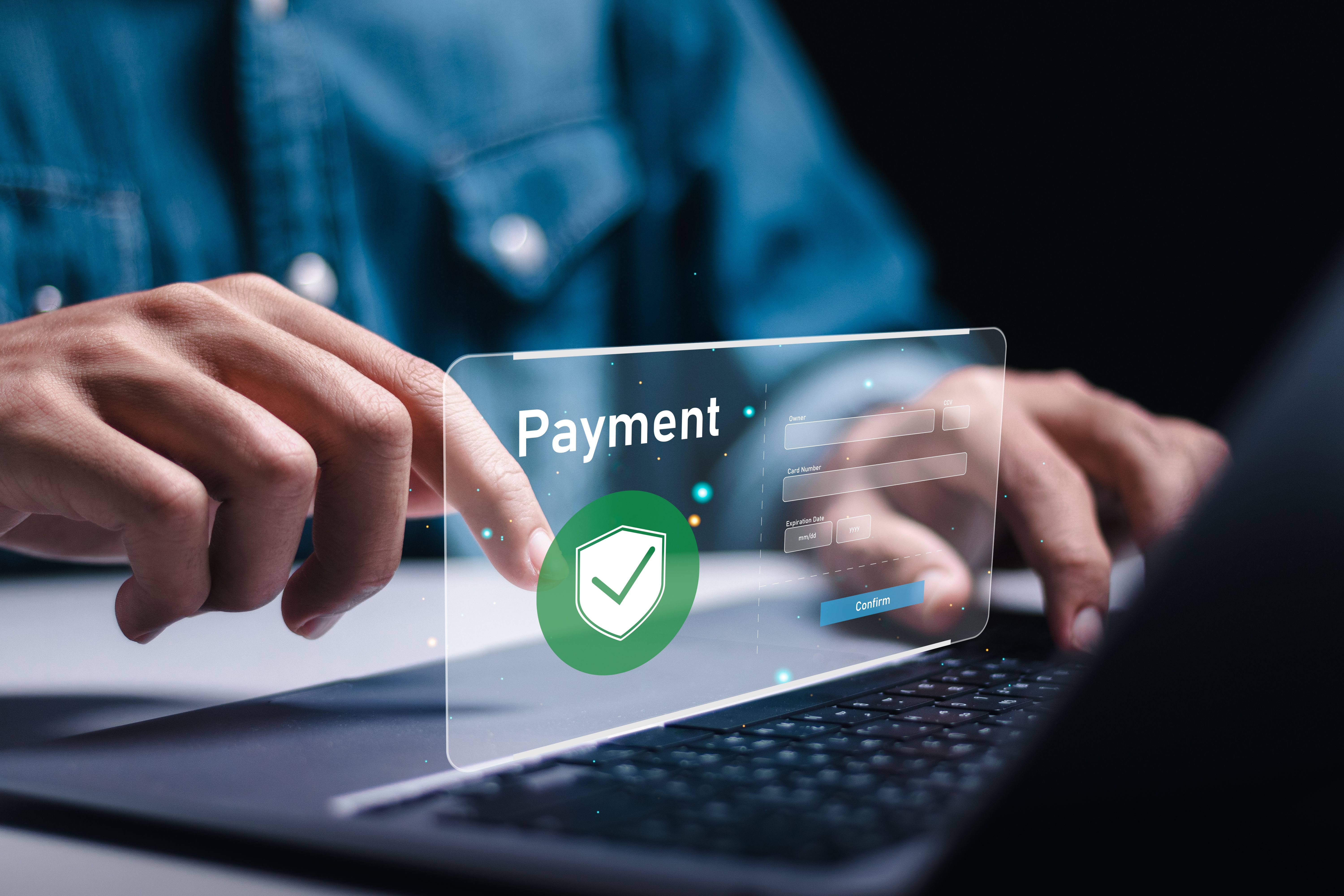
In today's digital age, ensuring secure payment processing is crucial, especially in a bustling state like Florida. Businesses and consumers alike are increasingly aware of the importance of protecting sensitive financial information. Secure payment systems help prevent fraud and instill confidence in transactions, whether they occur online or in-person.
Secure payment systems involve various technologies and protocols designed to protect the integrity of financial transactions. These systems safeguard data through encryption, tokenization, and other advanced methods, ensuring that sensitive information is not easily accessible to unauthorized parties.
The Importance of Compliance
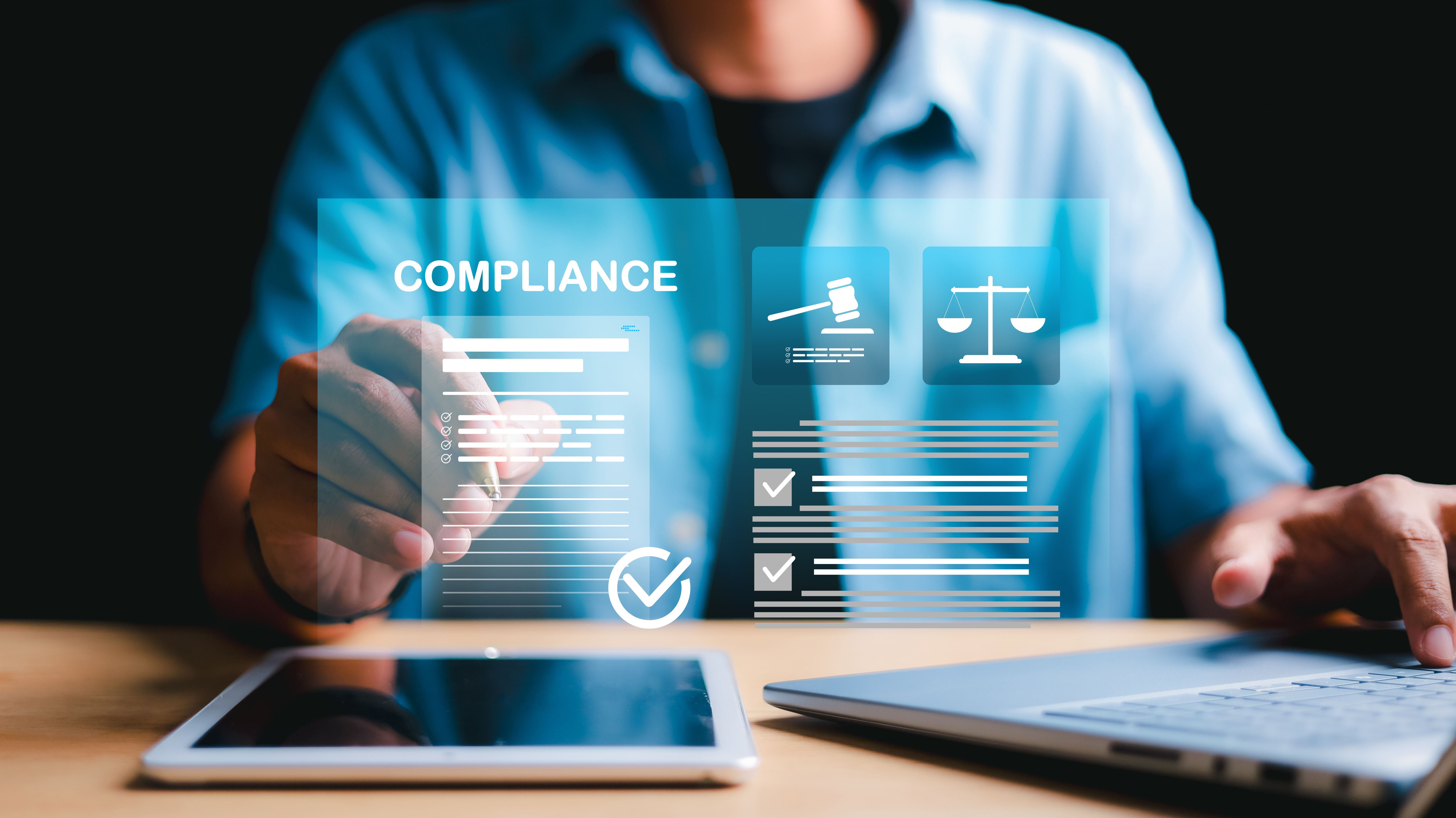
Compliance with industry standards is a key component of secure payment systems. In Florida, as well as the rest of the United States, businesses must adhere to the Payment Card Industry Data Security Standard (PCI DSS). This set of requirements ensures that companies maintain a secure environment for processing credit card transactions.
Failure to comply with PCI DSS can result in heavy fines and damage to a business's reputation. Therefore, it is essential for businesses to regularly review their payment processing systems and ensure they meet these stringent standards.
Steps to Ensure Compliance
- Conduct regular security assessments.
- Maintain a secure network infrastructure.
- Monitor and test networks frequently.
- Implement robust access control measures.
Utilizing Advanced Technologies
To enhance payment security, businesses in Florida are increasingly turning to advanced technologies. Encryption and tokenization are two key methods used to protect data during transactions. Encryption converts sensitive data into a code, making it unreadable without the correct decryption key. Tokenization, on the other hand, replaces sensitive data with unique identification symbols that retain essential information but are unusable outside the specific context.
Moreover, biometric authentication, such as fingerprint and facial recognition, is becoming more common. These technologies provide an additional layer of security by ensuring that only authorized users can access sensitive payment information.

Consumer Awareness and Education
While businesses play a crucial role in securing payments, consumer awareness is equally important. Educating customers about secure payment practices can significantly reduce the risk of fraud. Consumers should be informed about recognizing phishing attempts, using secure passwords, and verifying the authenticity of websites before making online transactions.
Providing resources and guidance on secure payment practices not only protects consumers but also builds trust and loyalty, fostering stronger customer relationships.

Choosing the Right Payment Gateway
For businesses, selecting a reliable payment gateway is essential for secure transactions. A payment gateway acts as an intermediary between the customer and the merchant, securely processing payment information. When choosing a payment gateway, businesses should consider factors such as security features, transaction fees, and customer support.
Reputable payment gateways offer advanced security features, including fraud detection and prevention tools, to help safeguard transactions. Additionally, they provide seamless integration with existing systems, ensuring a smooth payment experience for customers.

Conclusion
Secure payment systems are vital for protecting both businesses and consumers in Florida. By understanding the importance of compliance, leveraging advanced technologies, and fostering consumer education, businesses can enhance payment security. Selecting the right payment gateway further ensures that transactions are processed safely and efficiently, helping to build trust and reliability in today's digital economy.