
Top Trends in Electronic Payments for Businesses


Introduction to Electronic Payments
In today's digital age, electronic payments have become a vital component for businesses of all sizes. With the rapid evolution of technology, staying updated with the latest trends in electronic payments is crucial for maintaining a competitive edge. This article explores the top trends that are shaping the future of electronic payments for businesses.
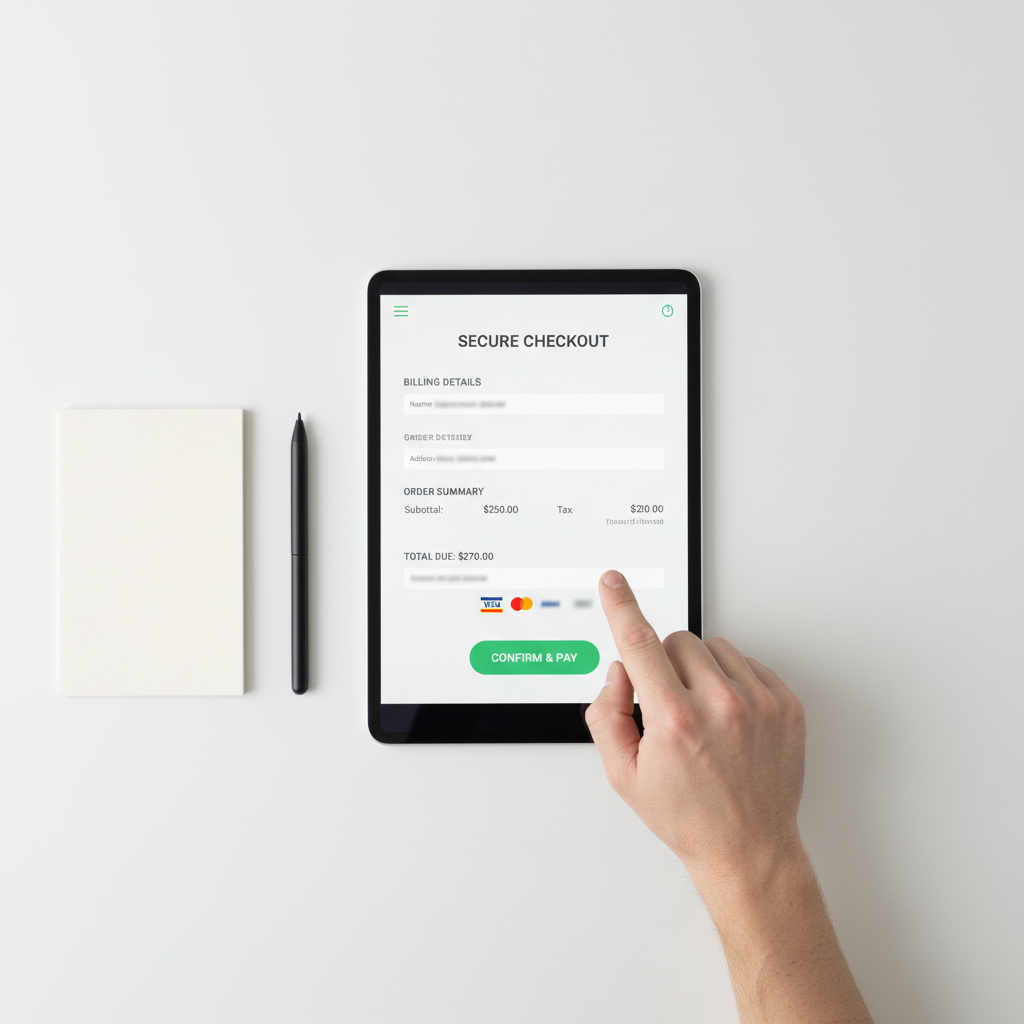
Contactless Payment Solutions
Contactless payments have surged in popularity, providing customers with quick and secure transactions. Technologies such as Near Field Communication (NFC) and Radio Frequency Identification (RFID) are enabling businesses to offer seamless payment experiences. The convenience of simply tapping a card or smartphone is driving consumer preference towards these options.
Benefits of Contactless Payments
- Speed: Transactions are faster, reducing queue times.
- Security: Enhanced encryption technologies make these transactions secure.
- Hygiene: Minimizes physical contact, appealing in the post-pandemic world.
Mobile Wallets and Apps
Mobile wallets and payment apps like Apple Pay, Google Wallet, and others are becoming mainstream. They offer a level of convenience and security that traditional payment methods struggle to match. These apps store users' payment information, allowing for quick and easy transactions both in-store and online.
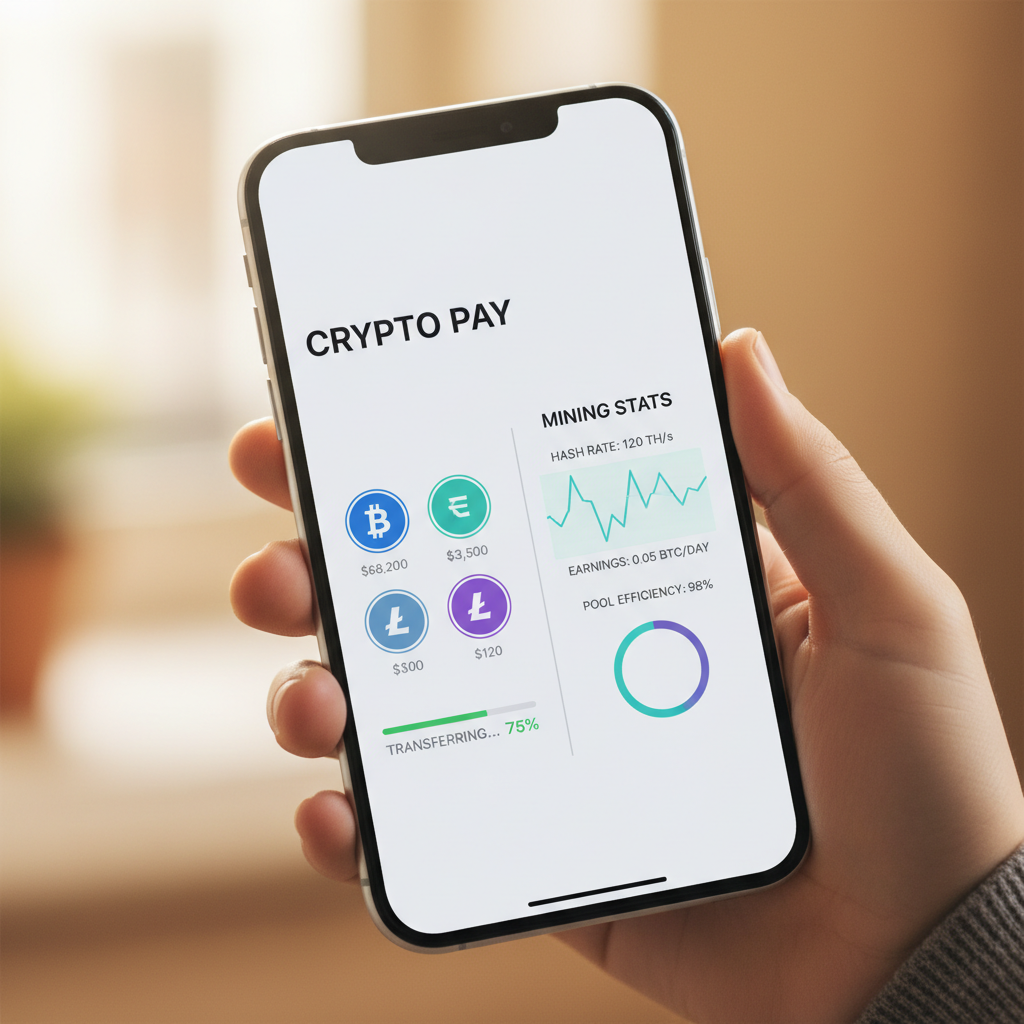
Key Features of Mobile Wallets
- Integration with loyalty programs and rewards.
- Biometric authentication for enhanced security.
- Seamless integration with various payment platforms.
Cryptocurrency Acceptance
As cryptocurrencies like Bitcoin and Ethereum gain traction, businesses are beginning to accept them as legitimate forms of payment. This trend is driven by a growing consumer base that values the transparency and decentralization offered by cryptocurrencies. Businesses adopting these digital currencies can reach a broader audience and capitalize on new markets.
Considerations for Cryptocurrency
Before diving into cryptocurrency acceptance, businesses should consider factors such as volatility, regulatory compliance, and transaction fees. Proper understanding and strategic planning are essential to harness the benefits effectively.
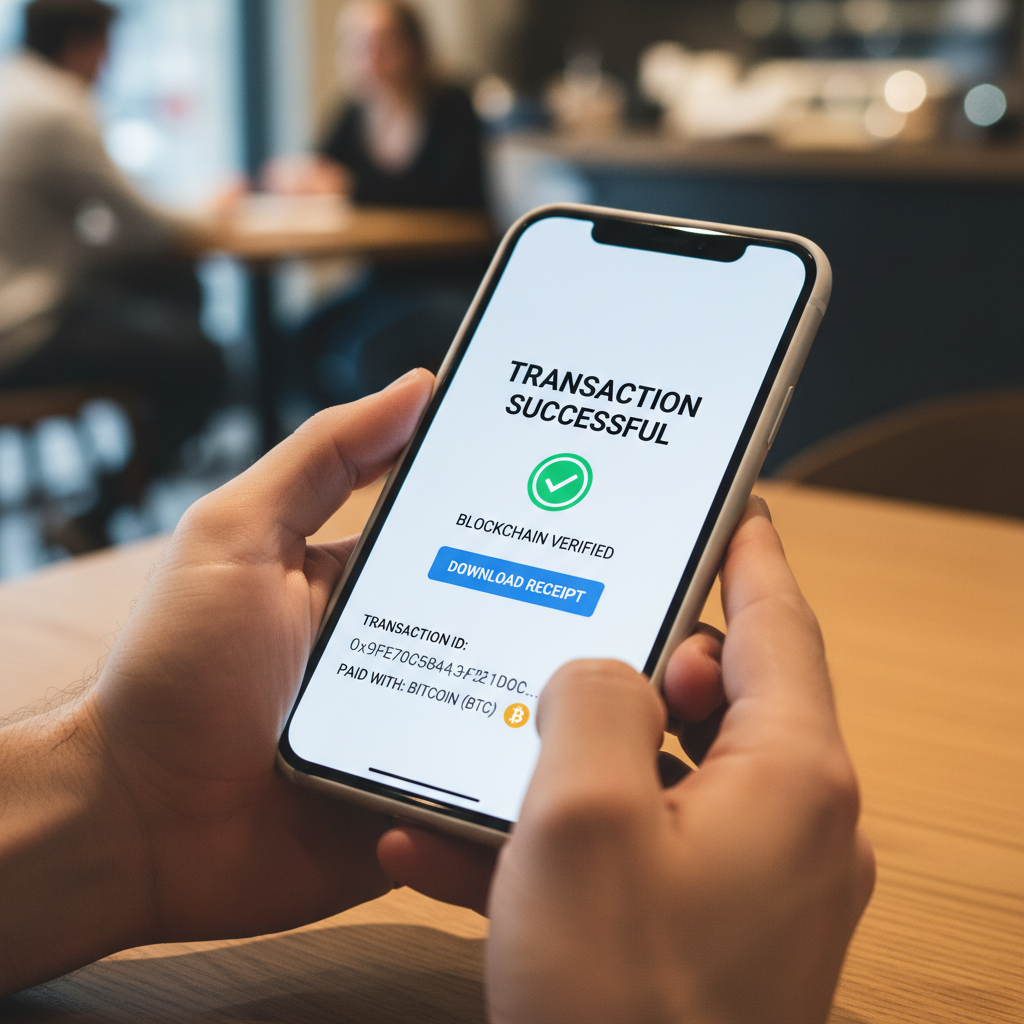
Enhanced Security Measures
With the rise of electronic payments, security concerns are more prominent than ever. Businesses are investing in advanced security measures to protect sensitive customer data. Multi-factor authentication (MFA), tokenization, and encryption are becoming standard practices in safeguarding transactions.
Security Innovations
Implementing these security technologies not only protects businesses from fraud but also builds trust with customers. As cyber threats evolve, continuous upgrades and education on security practices are necessary for keeping up with potential risks.
Conclusion
The landscape of electronic payments is evolving rapidly, offering numerous opportunities for businesses to enhance their transaction processes. By embracing these trends, companies can offer superior customer experiences, ensure security, and stay ahead of the competition. Staying informed and adaptable is key to navigating the future of electronic payments successfully.